
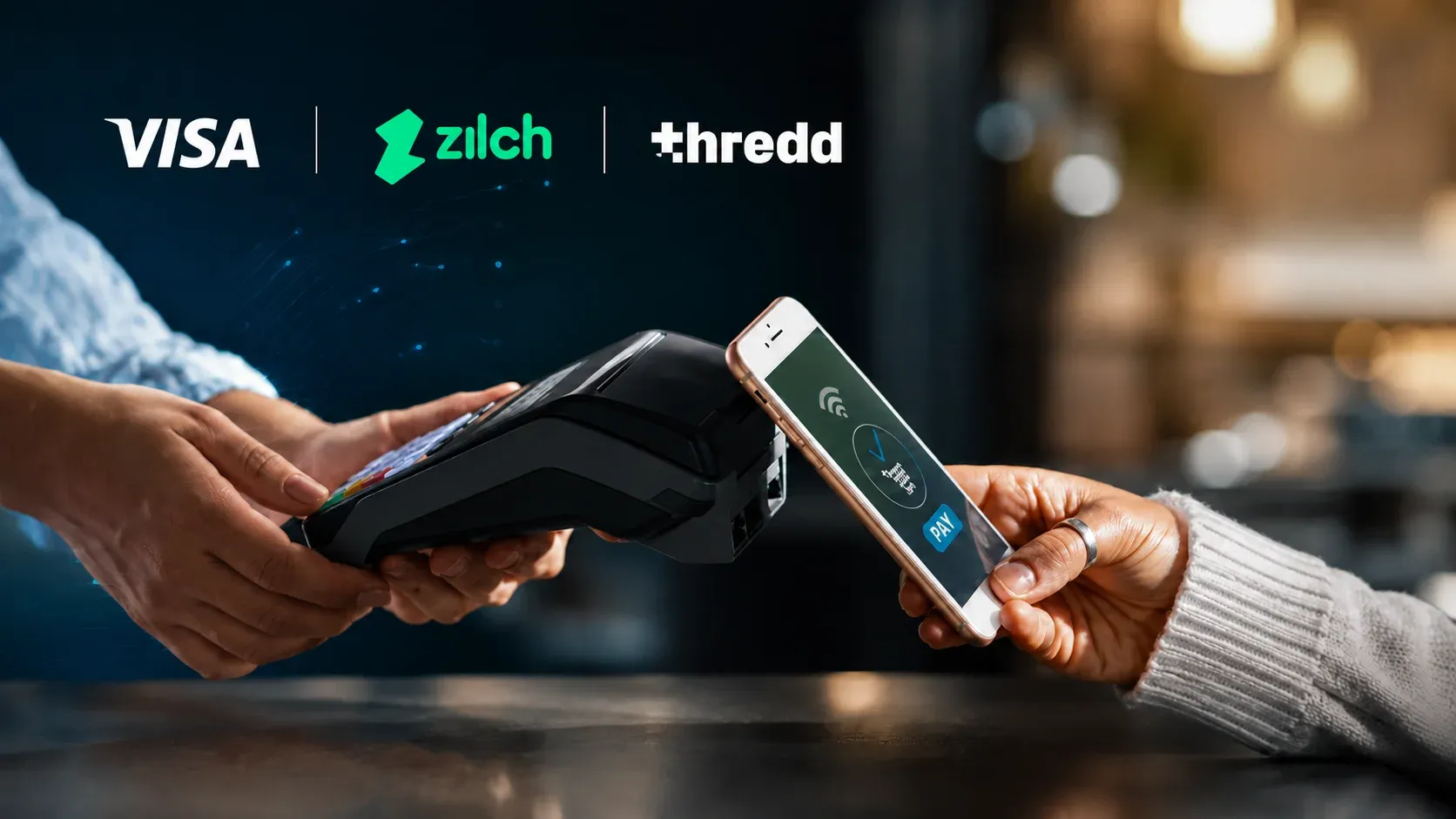
A new collaboration between Visa, Zilch, and Thredd introduces greater payment flexibility for UK consumers, allowing multiple payment options to be managed through a single card. This initiative addresses a growing consumer demand for adaptable payment methods, moving beyond traditional debit and credit distinctions.
Evolving Consumer Payment Preferences
The financial landscape is shifting, with consumers increasingly seeking payment solutions that align with their immediate financial needs and lifestyle choices. A significant majority of UK consumers surveyed indicate that flexible payment options are crucial for achieving their financial and lifestyle objectives. This trend highlights a departure from rigid payment categories towards a more fluid approach where individuals can select the most suitable payment method at the point of purchase. Visa Flexible Credential (VFC) is designed to meet this evolving expectation by enabling issuers to offer enhanced choice through a single, universally accepted card.
Unifying Payment Experiences with Visa Flexible Credential
Visa Flexible Credential aims to consolidate various payment functionalities behind a single card or digital identifier. This approach empowers cardholders with greater control and choice without compromising the familiar user experience of contactless payments or online transactions. The technology is built to support these changing consumer demands while upholding the inherent simplicity, security, and trust associated with card-based payments. The successful integration of Visa's network capabilities, Zilch's customer-centric offerings, and Thredd's issuer processing infrastructure exemplifies how strategic partnerships can facilitate the widespread adoption of innovative solutions.
For Zilch cardholders in the UK, this means a more streamlined and unified payment journey. Different payment methods are managed seamlessly in the background, eliminating the need for users to juggle multiple cards or digital credentials. Thredd plays a critical role in this process by supporting the underlying routing and processing mechanisms, enabling issuers and fintechs to bring VFC to market efficiently.
"This is exactly the kind of innovation we aim to unlock for our clients," stated Jim McCarthy, CEO at Thredd. "By partnering with Zilch and Visa, we’re pushing the boundaries of what issuer processing can enable, bringing cutting-edge capabilities to market at speed and helping our clients scale into their next phase of growth."
Sean Hederman, Chief Technology Officer at Zilch, added, "Zilch’s promise is to provide everyone with a smarter way to spend. Visa’s Flexible Credential is a major capability in fulfilling that promise. Our work with Thredd and Visa creates better outcomes for users and merchants by intelligently routing backend processes that enhance the Zilch experience for customers, flexibly and seamlessly, and where every purchase is financed, optimised and rewarded in real time."
Mathieu Altwegg, Head of Product and Solutions at Visa Europe, commented, "People increasingly want more flexibility and control over how they pay - particularly as their needs and circumstances change over time. Visa Flexible Credential gives issuers a simple way to offer that choice through one familiar card, while keeping the ease, security and global acceptance people already trust Visa for."
Strategic Implications for Financial Infrastructure and Adoption
The introduction of Visa Flexible Credential signifies a strategic advancement in financial infrastructure, particularly for payment processors and card issuers. By enabling multiple payment types to reside on a single credential, VFC simplifies the user experience and reduces the operational complexity for both consumers and businesses. This innovation is particularly relevant for fintechs like Zilch, which are built on providing flexible and rewarding payment solutions.
For Thredd, this collaboration underscores its role as a foundational technology provider for next-generation payment experiences. The ability to support complex routing and processing for flexible credentials is a key differentiator in the competitive issuer processing market. This capability allows Thredd to cater to the growing demand from fintechs and digital banks looking to offer differentiated products.
From an institutional perspective, VFC offers a pathway to enhance customer loyalty and engagement. By providing greater choice and control, financial institutions can better meet the diverse needs of their customer base. The underlying technology also supports robust risk management and compliance frameworks, as it leverages Visa's established global network and security protocols. The initial rollout in the UK with Zilch suggests a focused strategy, with potential for wider international expansion, indicating a deliberate approach to market penetration and product refinement.
Key Takeaways
- Visa Flexible Credential allows multiple payment options to be managed through a single card or digital credential.
- The initiative aims to meet growing consumer demand for flexible payment solutions beyond traditional debit and credit.
- The collaboration between Visa, Zilch, and Thredd highlights the importance of partnerships in delivering innovative payment experiences at scale.
- Thredd's issuer processing platform plays a crucial role in enabling the routing and seamless background management of these flexible payment options.
- The solution is initially available to Zilch customers in the UK, with prospects for future expansion.
FinanceInsyte's Take
The introduction of Visa Flexible Credential on Zilch cards in the UK represents a significant step towards a more adaptable and user-centric payment ecosystem. By consolidating diverse payment functionalities into a single, familiar interface, this innovation addresses evolving consumer expectations and strengthens the value proposition for both consumers and financial service providers. As demand for flexible payment solutions continues to grow, technologies like VFC are poised to become integral to the future of digital commerce, underscoring the ongoing evolution of financial infrastructure to support greater choice and convenience.
Source: Businesswire