Shifting consumer priorities toward seasonal travel and high-cost essentials are fundamentally altering the composition of debit spending, according to new data from SoFi Tech Solutions. The company’s Q2 2026 Debit Spend Index reports that every tracked category experienced growth, driven by a surge in "experience" spending and a significant realignment within the essentials basket. As gas prices reached a four-year high, fuel expenditures grew 28.2% from Q1 2026, effectively overtaking groceries as the largest component of essentials spending. This shift, combined with a 23% rise in entertainment-related spending, suggests a consumer landscape where discretionary seasonal activities and volatile energy costs are dictating transaction volumes and merchant category dominance across the platform.
Fuel and Travel Reshape Essential and Discretionary Spending
The Q2 2026 index highlights a significant restructuring of the "essentials" category, as rising energy costs began to crowd out traditional grocery spending. Fuel spend increased by 28.2% compared to Q1 2026, a movement that accounted for nearly half of all growth within the essentials segment. This surge was fueled by global oil price increases that pushed U.S. gas prices to a four-year high during the early part of the quarter. Conversely, the average spend per grocery transaction saw a decline of 3.1%, indicating that while consumers are spending more on energy, their per-transaction grocery outlays are softening.
Simultaneously, the index captured a robust seasonal uptick in travel and leisure. Travel spend rose 21% from the previous quarter, supported by a 17.4% increase in total transactions. Within this segment, car rentals saw the most aggressive growth at 22.2%, outpacing both hotel transactions (+17.7%) and airline transactions (+10.7%). This trend was mirrored in the "experiences" category, which led the index with a 23% increase in spend. This growth was heavily supported by a 92.9% spike in movie theater spending, coinciding with the summer blockbuster season, and a 42% increase in spending related to sporting events, which benefited from a dense schedule of professional leagues and the kickoff of the FIFA World Cup in June.
Saved Cards Emerge as Dominant Payment Method
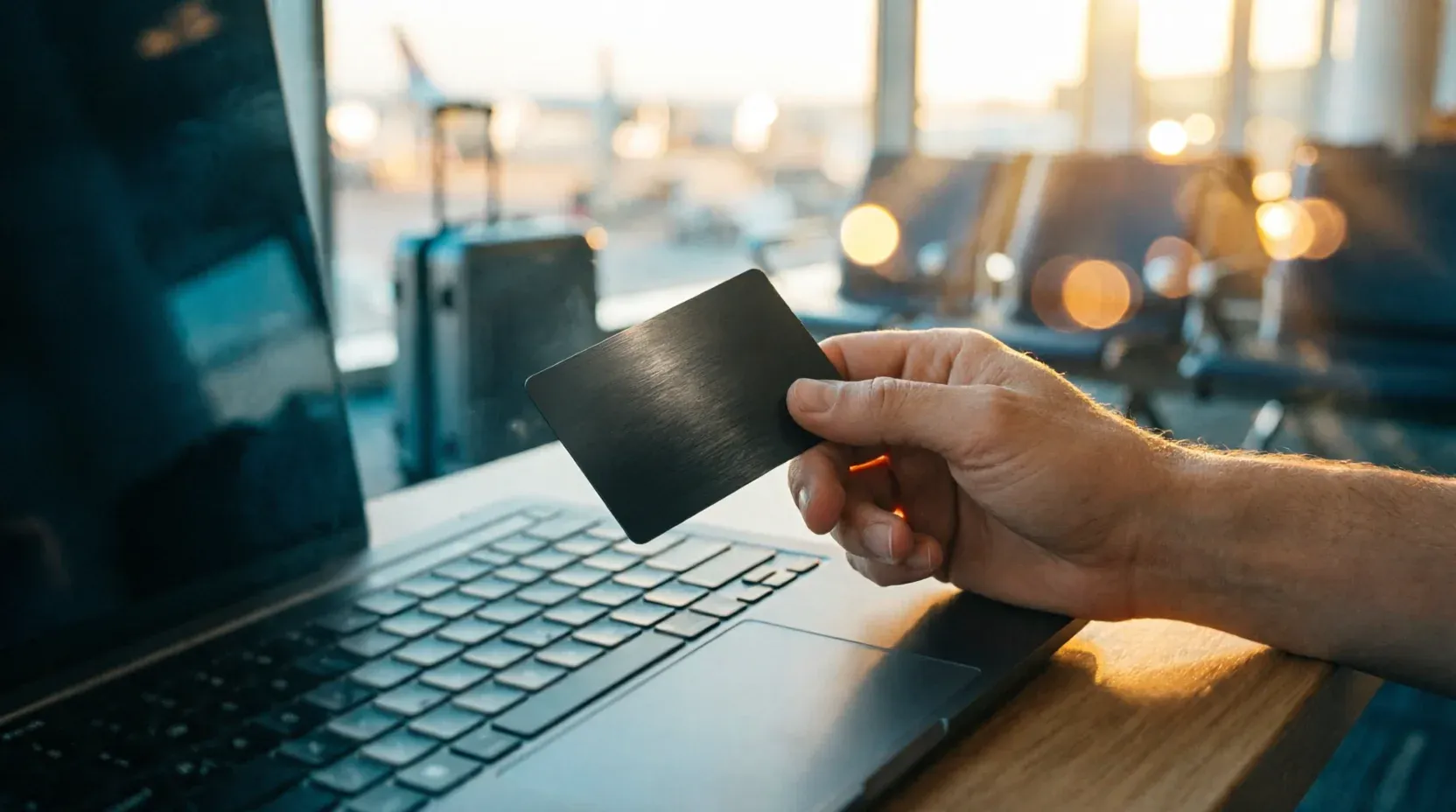
A critical shift in transaction architecture occurred in Q2 2026, as "saved cards"—debit cards stored within third-party applications or accounts—became the most utilized payment method on the SoFi Tech Solutions platform. For the first time in the index's history, card-on-file transactions surpassed all other methods in both volume and value. These saved cards accounted for 25% of all Q2 2026 debit transactions and a commanding 30.5% of total debit dollars. This represents a value share lead of 11 percentage points over the next closest payment method.
While saved cards increased their transaction share by 1% from Q1 2026, the data also noted a rise in contactless adoption, with tap-to-pay gaining 2 percentage points. Despite these specific gains, the overall digital share of transactions saw a slight contraction, easing to 62.4% from 63.6% in the first quarter. This evolution in how consumers interact with their debit credentials suggests that embedded finance and "card-on-file" utility are becoming central to the digital payment ecosystem. Kathleen Pierce-Gilmore, President of SoFi Tech Solutions, noted that this trend provides banks, fintechs, and brands with increased opportunities to deepen customer relationships through targeted rewards and partnerships at the point of digital storage.
Key Takeaways
- Fuel spending grew 28.2% in Q2 2026, overtaking groceries as the largest share of the essentials spending category.
- "Saved cards" (card-on-file) became the most used debit payment method, accounting for 30.5% of total debit dollars.
- Experience-based spending rose 23%, bolstered by a 92.9% increase in movie theater expenditures during the summer season.
FinanceInsyte's Take
In our view, the Q2 2026 SoFi Tech Solutions index signals a dual-track pressure on consumer liquidity. On one side, the volatility in energy markets is forcing a reallocation of "essential" funds, as evidenced by fuel overtaking groceries in spend share. On the other, the "experience economy" remains remarkably resilient, with consumers aggressively pursuing travel and entertainment despite elevated everyday prices. For financial institutions, the most critical takeaway is the ascendancy of the "saved card" model. The fact that card-on-file transactions now command 30.5% of debit dollars suggests that the battle for consumer loyalty is moving away from the physical point-of-sale and into the digital wallets and app ecosystems where cards are stored. Institutions that fail to optimize their presence within these embedded environments risk losing visibility into—and influence over—the most frequent and high-value transaction touchpoints.
Questions & Answers
How is the composition of "essentials" spending changing for consumers?
The composition is shifting toward energy costs; fuel spend grew 28.2% in Q2 2026, allowing it to overtake groceries as the largest share of essentials spending, while average grocery transaction amounts fell by 3.1%.
What does the rise in "saved card" usage imply for payment providers?
It implies that embedded finance is becoming the primary driver of transaction volume, as saved cards now account for 25% of transactions and 30.5% of total debit dollars, marking the first time this method has led the index in both metrics.
Which sectors drove the growth in the "experiences" category?
Growth was driven by seasonal demand in movie theaters (spend up 92.9%), tourist attractions (spend up 43%), and sporting events (transactions up 50%), largely due to summer blockbusters and major global athletic competitions.
How did travel spending patterns vary across different sub-sectors?
Travel spending grew 21% overall, but the growth was unevenly distributed: car rentals saw the highest growth at 22.2%, followed by hotels at 17.7%, while airline transactions grew more modestly at 10.7%.
Source: Businesswire